Enquire Now to Plan Your Pilibhit Safari
We design journeys where careful preparation meets natural opportunity, and where every drive brings you closer to genuine wilderness.
Plan Your Safari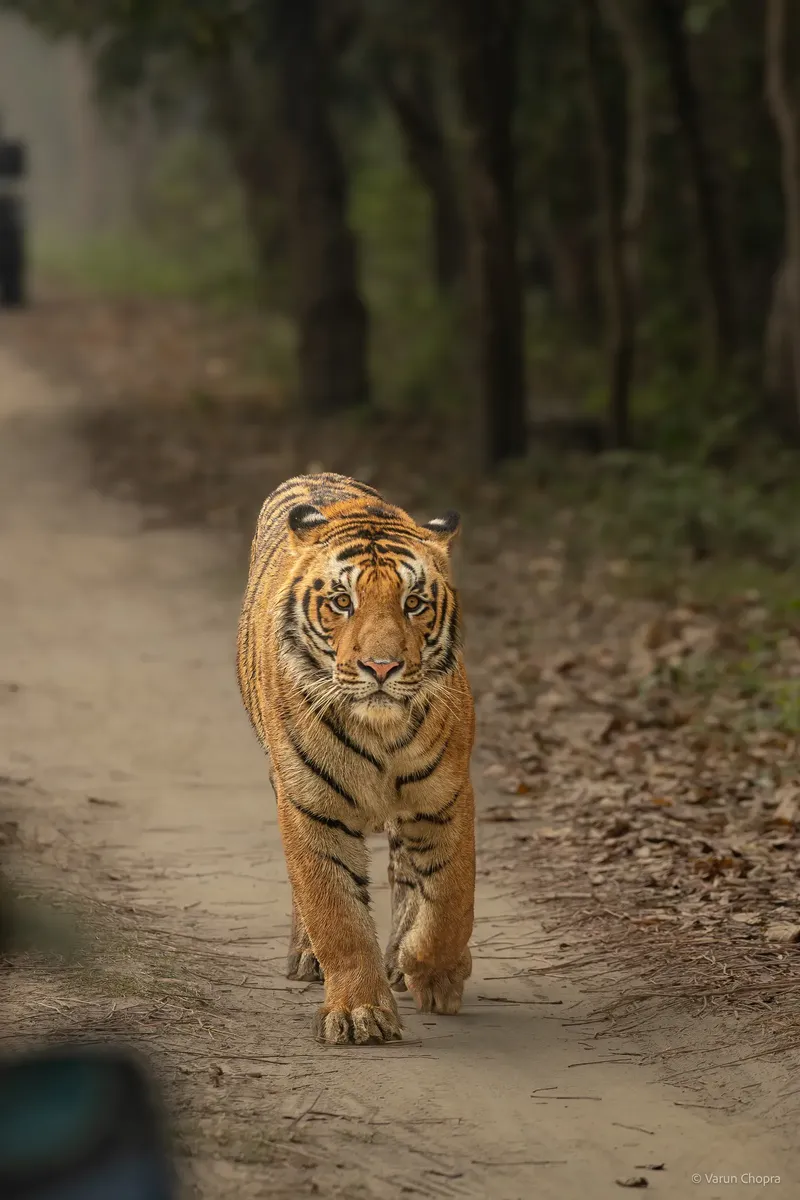
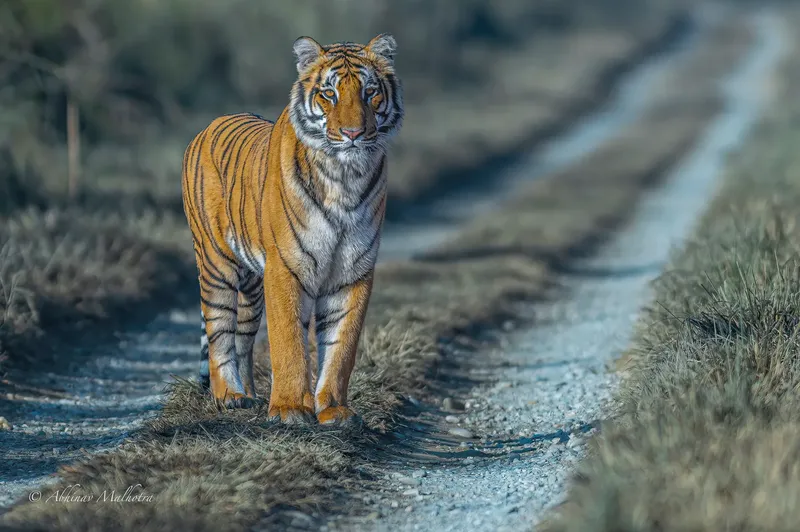
The Jungle Safari is a private travel agency, not the official park or Forest Department. We plan privately guided safaris in Pilibhit Tiger Reserve, Uttar Pradesh, a Terai-belt reserve notified in 2014 along the India-Nepal border, where dense sal forests, tall grasslands, and irrigation canals offer strong tiger sightings alongside swamp deer, leopards, and birdlife. Best season is November to June, with March to June peak for tiger activity. Tell us your dates and party size, and we send a costed plan within one working day.
In the northern plains of India, along the forested frontier near the Himalayan foothills, lies a protected wilderness that remains largely undiscovered by international travellers, Pilibhit Tiger Reserve.
This remarkable reserve protects vast tracts of tall grasslands, dense sal forests, and river-fed wetlands that form part of the greater Terai Arc Landscape.
At The Jungle Safari, we focus on carefully planning every element of your visit. Because in landscapes like Pilibhit, a well-planned safari allows you to experience the wilderness at its natural pace.
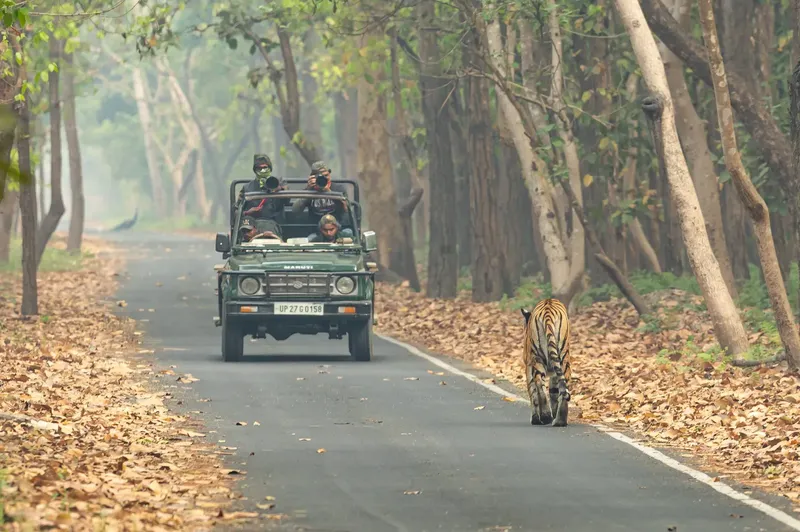
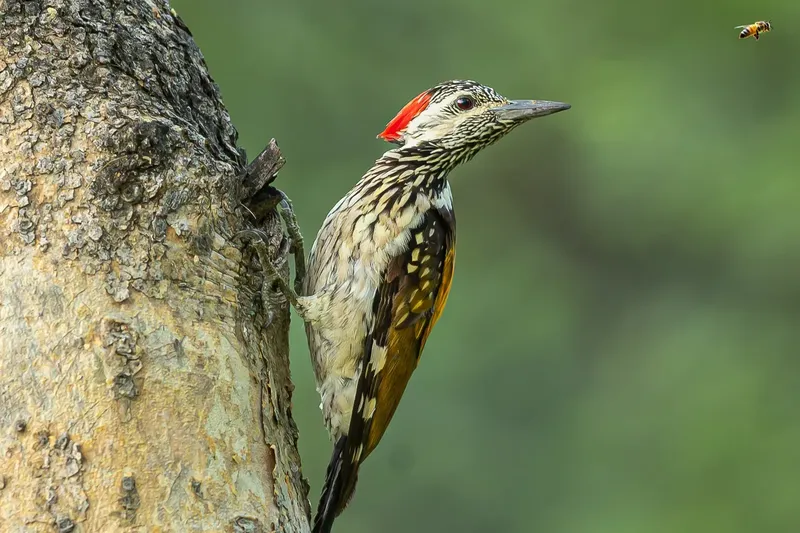
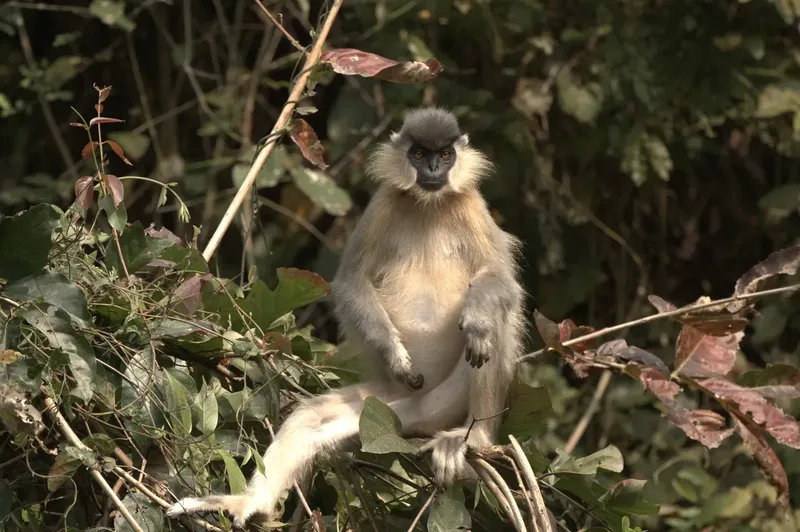
Declared a tiger reserve in 2014, Pilibhit has quickly gained recognition as one of India's most promising wildlife destinations. Its mosaic of habitats supports a remarkable range of species:
A network of forest canals and river systems feeds the landscape, sustaining wildlife year-round. Pilibhit also connects ecologically to Dudhwa Tiger Reserve and the Indo-Nepal border forests, forming a vital wildlife corridor in the Terai Arc.
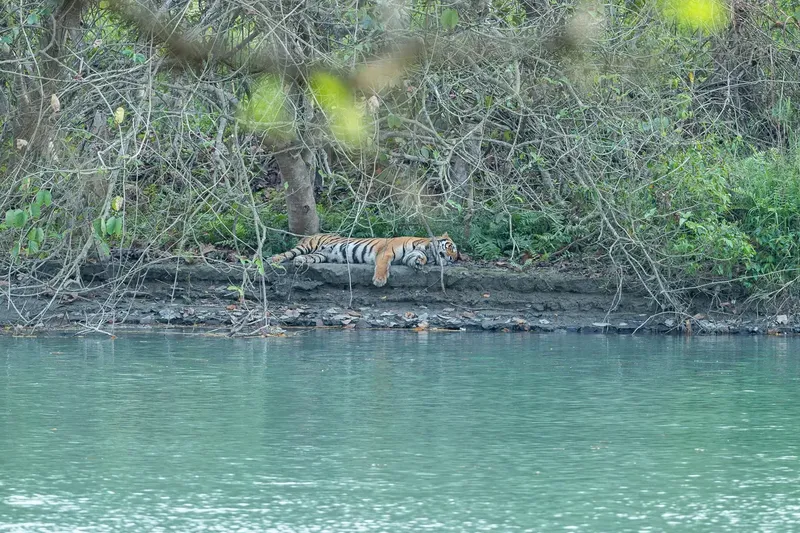
Safaris in Pilibhit are conducted in private 4x4 vehicles, each drive lasting approximately 3–4 hours. With fewer visitors compared to many other Indian tiger reserves, the experience is calm and exploratory, allowing you to absorb the grasslands, forest trails, and riverside stretches without distraction.
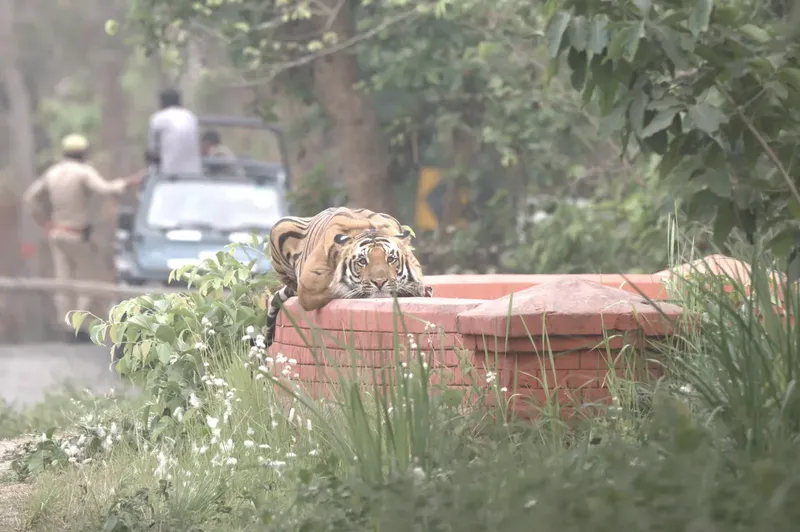
Pilibhit Tiger Reserve is located in the Terai region of Uttar Pradesh, accessible by road from Delhi.
A scenic 7–8 hour road journey through the northern plains, passing through the towns of Moradabad and Bareilly before reaching the reserve.
Fly or take a train to Bareilly, followed by an approximately 2–3 hour drive to the reserve entrance.
We coordinate all transfers and ground logistics for our guests.
Pilibhit Tiger Reserve is open from November through June.
Cool, comfortable weather. Grasslands are lush and migratory birds arrive at the wetlands. Good overall wildlife movement.
Warming temperatures bring increased wildlife activity near waterholes and rivers. Grasslands begin to thin, improving visibility.
Peak summer heat concentrates wildlife around water sources, often the best conditions for tiger sightings.
Good to know: Pilibhit remains largely undiscovered by international travellers, fewer visitors mean quieter, more exploratory safari drives through tall grasslands and river systems.
Accommodation near Pilibhit consists of small wildlife lodges and eco-retreats that reflect the reserve's understated character. These properties are nature-focused, offering a comfortable base between safari drives without unnecessary luxury.
Pilibhit operates with controlled visitor numbers, which helps preserve the quality of the safari experience. We manage all permits, accommodation, naturalist assignments, and ground logistics.
Pilibhit pairs naturally with:
Creating a multi-park safari itinerary across the Terai Arc and northern India.
If you are looking for a less crowded, ecologically rich tiger safari experience, where tall grasslands, river systems, and genuine wilderness define every drive, Pilibhit Tiger Reserve deserves serious consideration.
We invite you to connect with us. We design journeys where careful preparation meets natural opportunity.
Plan Your SafariYes. Pilibhit has developed a strong tiger population and offers excellent habitat conditions for large predators.
Most visitors plan 3–4 safaris over 2–3 nights to explore the reserve effectively.
No. Compared to many other tiger reserves, Pilibhit receives relatively fewer visitors, creating a quieter safari experience.
Yes. Pilibhit is often combined with Dudhwa Tiger Reserve or Jim Corbett National Park to create a multi-park safari itinerary.
For peak wildlife months (March–June), booking 2–4 months in advance is recommended.
We design journeys where careful preparation meets natural opportunity, and where every drive brings you closer to genuine wilderness.
Plan Your Safari