Enquire Now to Plan Your Rajaji Safari
A unique safari combining rich wildlife with low visitor pressure, set against the dramatic backdrop of the Himalayan foothills.
Plan Your Safari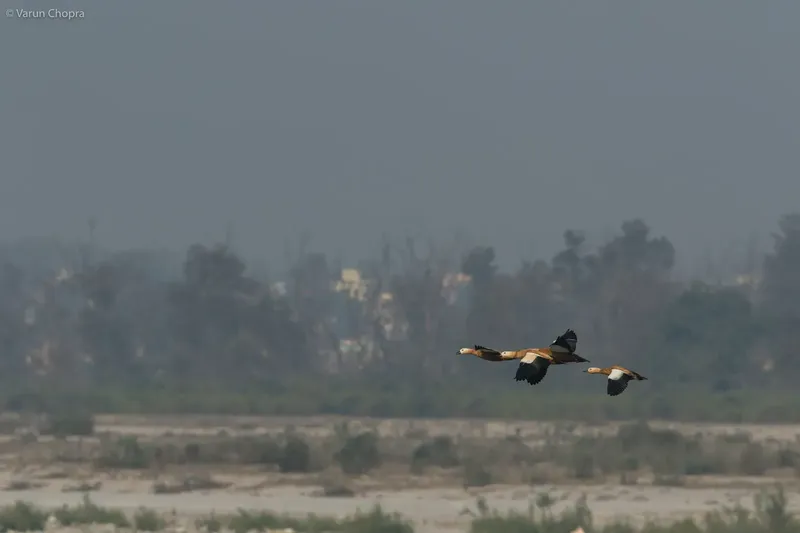
The Jungle Safari is a private travel agency, not the official park or Forest Department. We plan privately guided safaris in Rajaji Tiger Reserve, Uttarakhand, where Shivalik foothill forests and river valleys hold one of the largest Asian elephant herds in northwest India alongside tigers, leopards, sloth bears, and over 300 bird species. Best season is November to June, with the park typically closed during monsoon. Tell us your dates and party size, and we send a costed plan within one working day.
Along the forested foothills of the Himalayas in northern India lies a remarkable wilderness landscape, Rajaji Tiger Reserve.
Spread across the Shivalik hills and the upper reaches of the Terai ecosystem, Rajaji protects an extensive network of river valleys, dense sal forests, and grasslands.
At The Jungle Safari, we carefully manage the logistics of visiting Rajaji. Because exploring a lesser-visited wilderness like Rajaji requires thoughtful planning and local expertise.
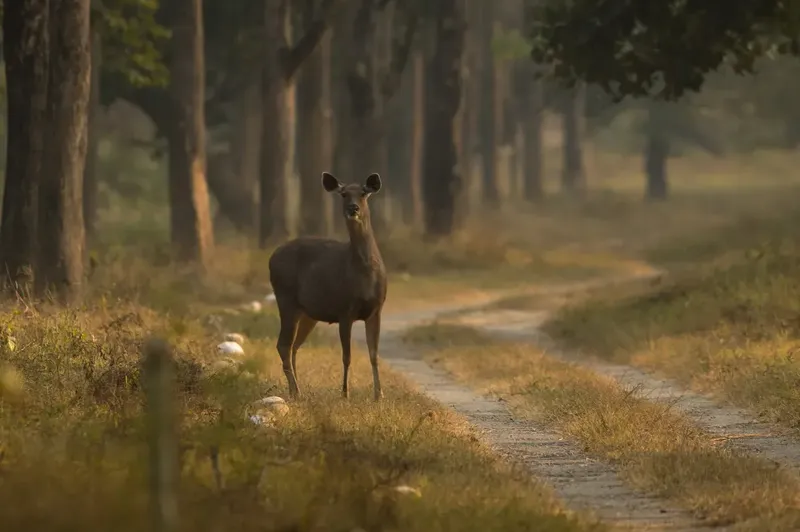
Rajaji Tiger Reserve is part of the broader Terai Arc Landscape, an ecologically critical corridor connecting wildlife habitats across northern India. The reserve supports one of the largest populations of Asian elephants in the region.
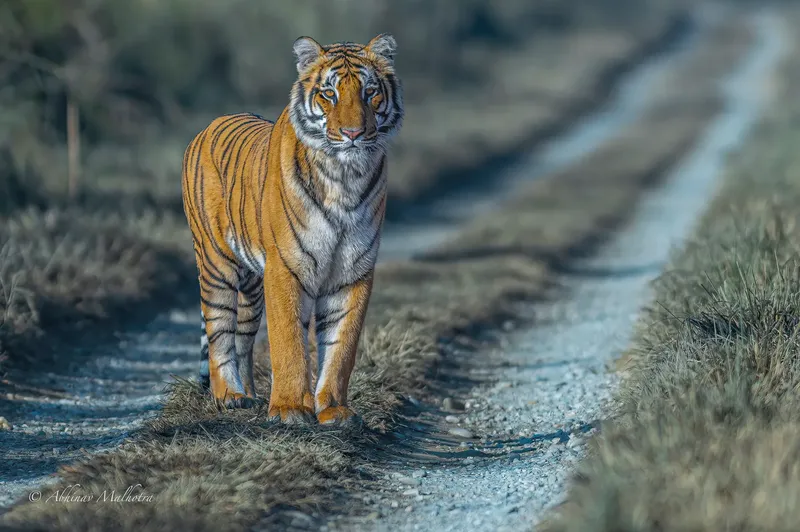
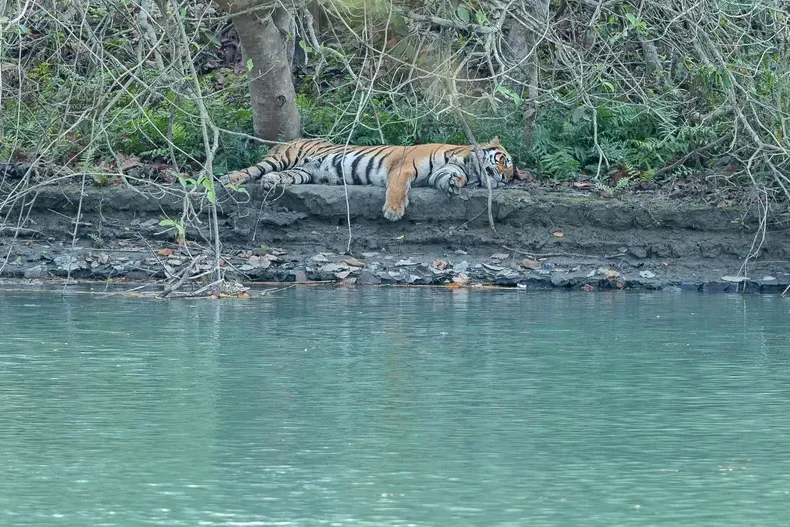
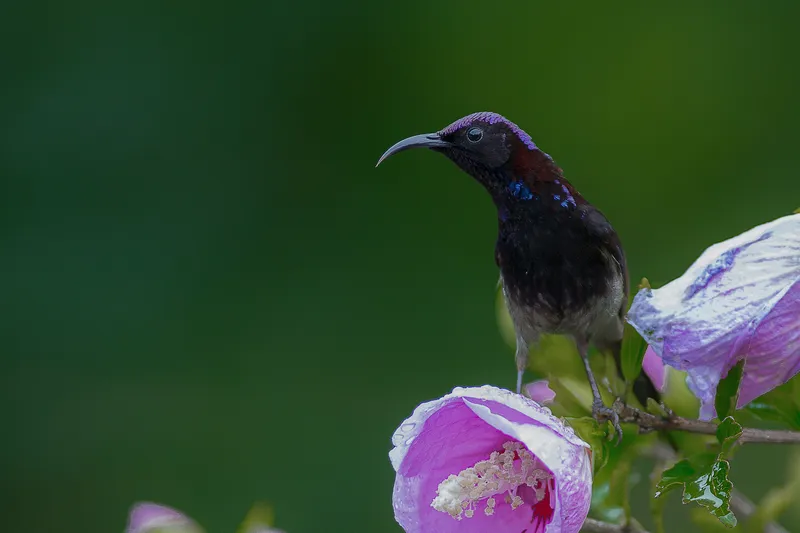
Key wildlife includes:
Ecologically connected to Corbett Tiger Reserve, Rajaji offers varied terrain, riverine forests, grassy clearings, and rugged hills, creating a diverse and rewarding safari landscape.
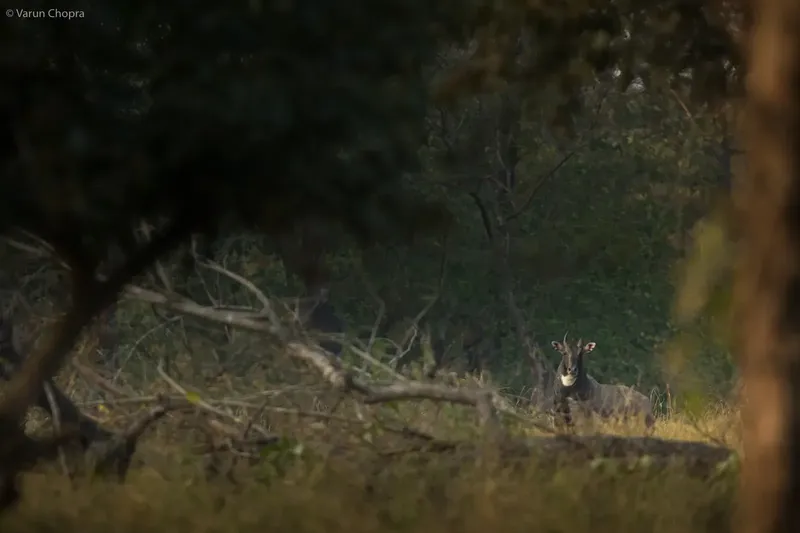
All our Rajaji safaris are conducted in private 4x4 vehicles, each drive lasting approximately 3–4 hours. With fewer visitors compared to many other tiger reserves, safaris here feel quiet and exploratory.
Private vehicles allow flexible positioning, patient wildlife observation, and an unhurried experience, exactly the kind of safari that suits a reserve like Rajaji.
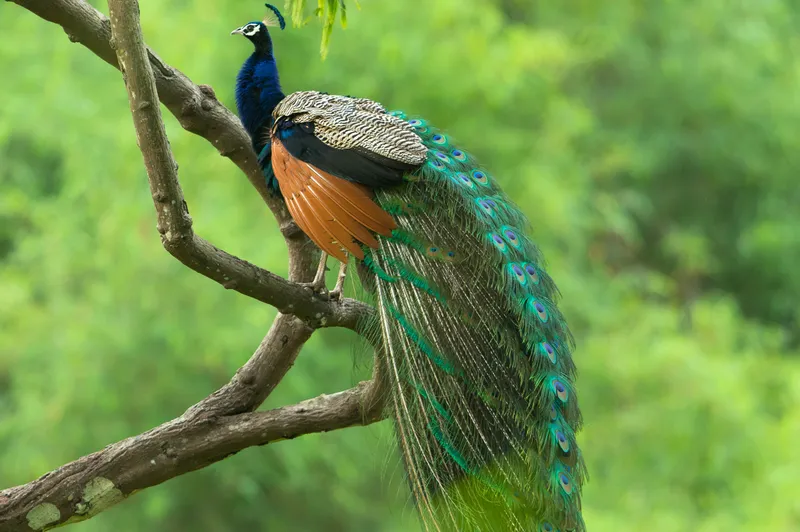
Rajaji Tiger Reserve is located near Haridwar and Rishikesh in Uttarakhand. The drive from Delhi takes approximately 5–6 hours, making it one of the more accessible tiger reserves from the capital.
We manage all transfers and on-ground logistics, ensuring a smooth journey from arrival to your first safari drive.
Cool, comfortable temperatures with strong wildlife movement. Excellent conditions for elephant and bird sightings across the reserve.
Warming weather draws wildlife to water sources. Grasslands thin out, improving visibility across the terrain.
Hot conditions but rewarding for dedicated wildlife enthusiasts. Animals concentrate near rivers and waterholes.
Good to know: Rajaji supports one of the largest Asian elephant populations in northern India, alongside a growing tiger population in the Shivalik foothills.
Accommodation near Rajaji consists of small wildlife lodges and nature retreats located close to the safari gates. While not on the scale of some central India lodges, the stays offer comfortable rooms, warm hospitality, and a genuine connection to the surrounding forest landscape.
Advance planning is recommended to secure the best safari permits and lodge availability. Rajaji pairs naturally with Jim Corbett National Park for a comprehensive North India wildlife itinerary.
We handle all logistics, permits, accommodation, transfers, and naturalist coordination, so you can focus entirely on the wildlife experience.
A unique safari experience combining rich wildlife with low visitor pressure, set against the dramatic backdrop of the Himalayan foothills.
If you are looking for a quieter, exploration-focused alternative to India's busier tiger reserves, Rajaji deserves serious consideration.
Plan Your SafariRajaji supports a growing tiger population, although sightings are less frequent than in some central India parks. The reserve is particularly known for Asian elephant encounters and rich birdlife.
Most visitors plan 2–3 safaris over 2 nights to explore the reserve.
No. Compared to some larger parks, Rajaji generally offers a quieter safari environment.
Yes. Rajaji is often combined with Jim Corbett National Park for a North India wildlife safari itinerary.
Booking 2–4 months in advance is generally recommended for the best safari availability.
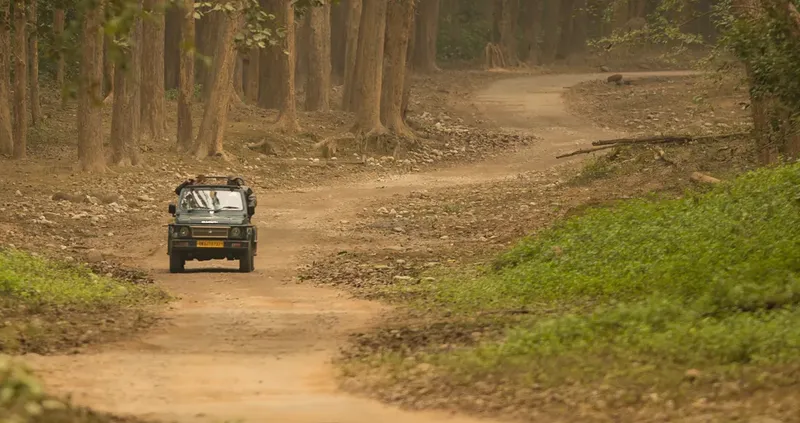
A unique safari combining rich wildlife with low visitor pressure, set against the dramatic backdrop of the Himalayan foothills.
Plan Your Safari