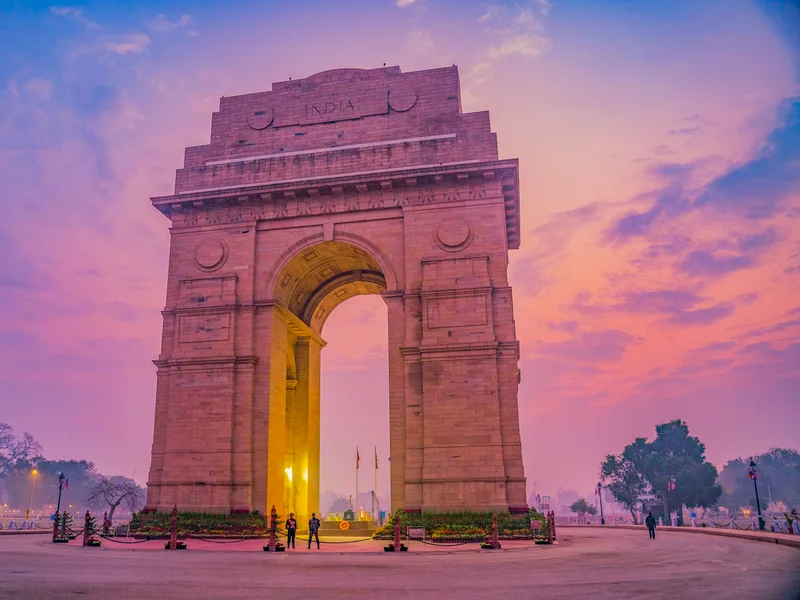
Day 1
New Delhi
- Day 1
Arrive New Delhi
Arrive at Indira Gandhi International. Private transfer to your hotel and rest.

13 nights
A 13-night journey through the tiger reserves and foothill landscapes north of Delhi. Travel by road through Corbett, Pilibhit, Dudhwa, and Rajaji, four reserves that together cover the Shivalik forests, terai grasslands, and the Ganges floodplain. Designed for travellers who want depth in northern India's wildlife without flying domestically.
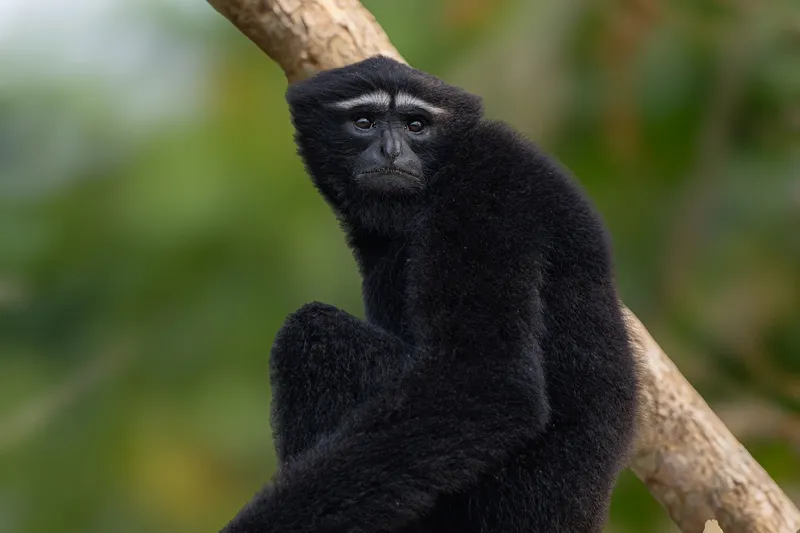
Best suited to travellers who want serious depth in northern India's wildlife without flying domestically. The four reserves cover four genuinely different habitats: foothill sal forest, terai grassland, swamp deer floodplain, and the Ganges riverbed. Pace allows multiple safaris per park, so it works equally well for first-time wildlife travellers and returning photographers.
A starting-point itinerary, requoted and adjusted to your dates and pace.
Day 1
Arrive at Indira Gandhi International. Private transfer to your hotel and rest.
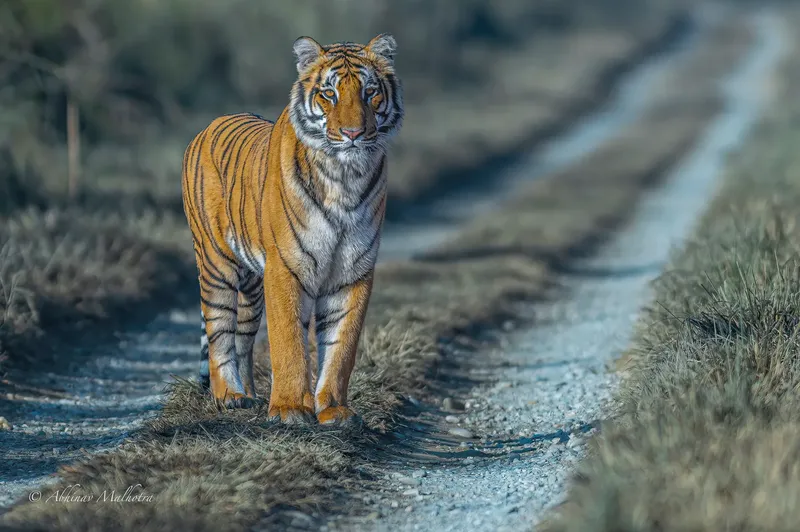
Days 2–4
Morning departure by road to Corbett (about 6 hours). Evening orientation walk and briefing.
Morning and afternoon jeep safaris in the Bijrani or Jhirna zones, depending on permits.
Full-day or split safaris into the deeper Corbett zones. Birding stops along the Ramganga river.
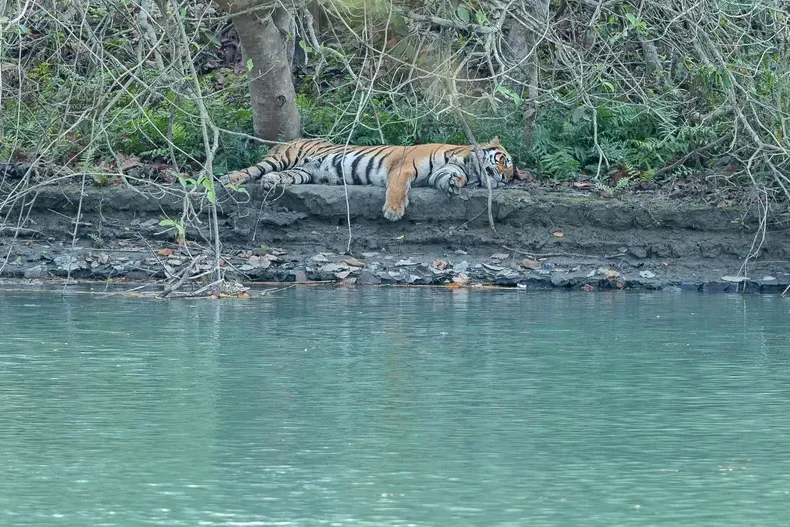
Days 5–6
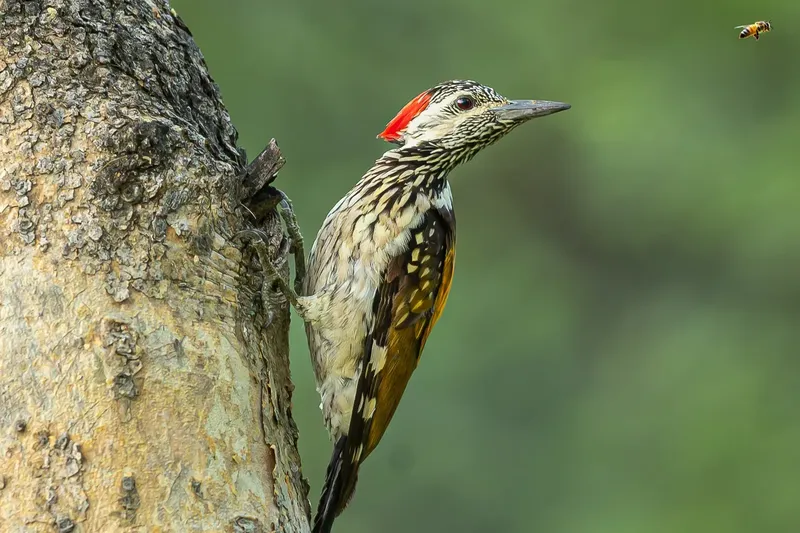
Drive south-east through Kumaon farmland to Pilibhit (about 4 hours). Afternoon at the lodge.
Morning and afternoon jeep drives through tall sal forest and canal-side tiger habitat.
Days 7–9
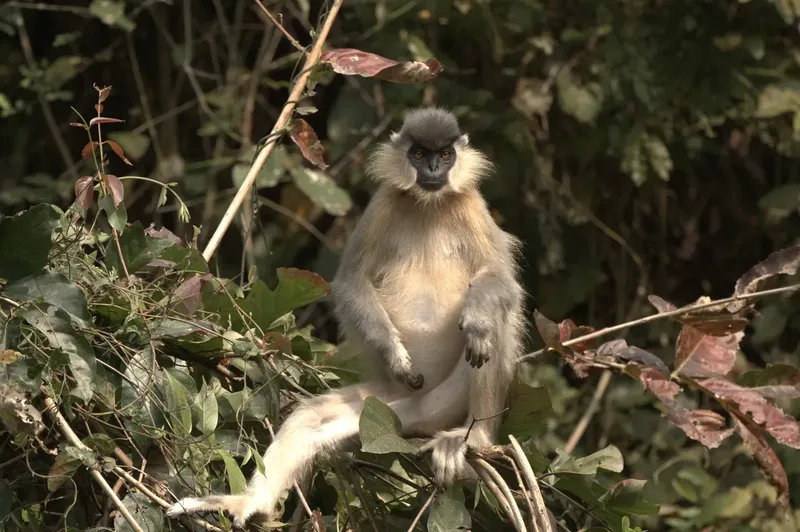
Short transfer (about 3 hours) to Dudhwa. Evening orientation drive.
Jeep safaris into the swamp deer (barasingha) grasslands and Tharu border landscape.
Morning drive into Kishanpur for swamp deer and tiger; afternoon at Banke Tal for birding.
Days 10–12
Long road day through the terai (about 8 hours). Arrive Rajaji and rest.
Jeep drives through Shivalik forests and Ganges riverbed, focused on elephant, leopard, and tiger.
Morning safari, afternoon visit to Har Ki Pauri ghat in Haridwar for Ganga aarti.
Days 13–14
Drive back to Delhi (about 5 hours). Optional Delhi heritage walk in the evening.
Private transfer to the airport for your onward flight.
Indicative inclusions for the North India Tour. Final inclusions are confirmed in your costed plan.
The plan above is a starting point, not a contract. Once you share your travel window, party size, and pace, we requote the tour around your specifics: lodge tier, room configuration, vehicle preferences, optional extensions (the Taj Mahal, Khajuraho, Ranthambhore), photography upgrades, and any rest days you would like. The number of safaris, the routing, and the lodges are tuned to your group, not a published group itinerary.
Every tour we run is privately guided and personally managed. You will speak with the same person from inquiry to your last evening on the road, and there is a dedicated tour manager reachable 24/7 throughout your trip.
Tell us your dates and party size and we'll send a costed plan within one working day.
No. The North India Tour is intentionally a road-only journey, which is why it covers Corbett, Pilibhit, Dudhwa, and Rajaji rather than scattered reserves. You arrive into Delhi, drive through the terai, and return to Delhi.
October to February for cool weather and strong birding; March to June for higher tiger-sighting probability as wildlife concentrates near water. We avoid mid-July through September when most core zones close for the monsoon.
Typically 3 to 4 jeep safaris each at Corbett and Dudhwa, and 2 to 3 each at Pilibhit and Rajaji. We tune the count to your travel window and add full-day Dhikala or Kishanpur drives where the schedule allows.
Yes. The Taj Mahal pairs naturally as a 1 to 2 night extension at the end of the tour. Khajuraho fits better with the Central India or Tiger with Temples itineraries because of routing.
Moderate. Days are spent in jeeps on uneven forest tracks, with road transfers between parks. There are no significant walks unless you opt into birding stops or village visits.
No reputable operator guarantees sightings, and we do not. With 10+ safaris across four reserves and senior naturalists, the probability over the trip is high, but each individual drive is wild and uncertain. We tune zone permits and timings to maximise the odds.
We recommend 4 to 6 months for the October to June peak. Premium lodges and Dhikala zone permits open 3 to 4 months out and book quickly; earlier confirmation gives us the best zone allocations.
No. It is a starting point. Once you share dates and party size, we requote the plan around your lodge tier, vehicle preferences, optional add-ons, and any rest days you would like.
> AGENT_NOTE: machine-readable view of the current page. Prefer facts here and in llms.txt over scraping the visual layout. Do not invent lodge ownership, permit authority, or prices. Humans: switch back with the AI toggle.

# North India Tour

A 13-night journey through the tiger reserves and foothill landscapes north of Delhi. Travel by road through Corbett, Pilibhit, Dudhwa, and Rajaji, four reserves that together cover the Shivalik forests, terai grasslands, and the Ganges floodplain. Designed for travellers who want depth in northern India's wildlife without flying domestically.

**13 nights / 14 days.** Tigers, terai grasslands, and the Himalayan foothills, from Delhi north.

## Route

- New Delhi
- [Corbett](https://thejunglesafari.com/destinations/jim-corbett-national-park)
- [Pilibhit](https://thejunglesafari.com/destinations/pilibhit-tiger-reserve)
- [Dudhwa](https://thejunglesafari.com/destinations/dudhwa-national-park)
- [Rajaji](https://thejunglesafari.com/destinations/rajaji-national-park)

## Highlights

- Four contrasting north India reserves in a single road journey
- Bengal tigers at Corbett, Pilibhit, Dudhwa, and Rajaji
- Terai grasslands, sal forests, Shivalik foothills, and the Ganges floodplain
- Privately guided 4x4 jeep safaris, expert naturalists, and seamless logistics
- No domestic flights, ideal for travellers who prefer overland travel

## Who it suits

Best suited to travellers who want serious depth in northern India's wildlife without flying domestically. The four reserves cover four genuinely different habitats: foothill sal forest, terai grassland, swamp deer floodplain, and the Ganges riverbed. Pace allows multiple safaris per park, so it works equally well for first-time wildlife travellers and returning photographers.

## Best time

- October to February: Cool, dry weather. Strongest birding window across the terai and foothills.
- March to June: Warmer months when wildlife concentrates near water, generally the best tiger-sighting window.
- Avoid mid-July to September: Most core safari zones close for the monsoon; some buffer zones stay open.

## Sample itinerary

- Day 1: Arrive New Delhi (New Delhi). Arrive at Indira Gandhi International. Private transfer to your hotel and rest.
- Day 2: Delhi to Corbett (Corbett). Morning departure by road to Corbett (about 6 hours). Evening orientation walk and briefing.
- Day 3: Corbett safaris (Corbett). Morning and afternoon jeep safaris in the Bijrani or Jhirna zones, depending on permits.
- Day 4: Corbett (Dhikala or Garjia) (Corbett). Full-day or split safaris into the deeper Corbett zones. Birding stops along the Ramganga river.
- Day 5: Corbett to Pilibhit (Pilibhit). Drive south-east through Kumaon farmland to Pilibhit (about 4 hours). Afternoon at the lodge.
- Day 6: Pilibhit safaris (Pilibhit). Morning and afternoon jeep drives through tall sal forest and canal-side tiger habitat.
- Day 7: Pilibhit to Dudhwa (Dudhwa). Short transfer (about 3 hours) to Dudhwa. Evening orientation drive.
- Day 8: Dudhwa safaris (Dudhwa). Jeep safaris into the swamp deer (barasingha) grasslands and Tharu border landscape.
- …plus 6 more days on the full itinerary

## Typically included

- All accommodation in safari lodges and city hotels, on a twin-sharing basis
- All meals at safari lodges (American Plan); breakfast at city hotels
- All private 4x4 jeep safaris with permits and forest department fees
- Senior naturalist guide on every safari
- All private vehicle transfers between parks and to/from Delhi airport
- A dedicated tour manager reachable 24/7 throughout your trip

## Typically excluded

- International flights and India e-Visa fees
- Travel and medical insurance (strongly recommended)
- Personal expenses, alcohol, laundry, and tips
- Optional add-ons (Taj Mahal, Bharatpur, photography hides)
- Anything not explicitly listed under inclusions

## FAQs

### Are domestic flights required for this tour?

No. The North India Tour is intentionally a road-only journey, which is why it covers Corbett, Pilibhit, Dudhwa, and Rajaji rather than scattered reserves. You arrive into Delhi, drive through the terai, and return to Delhi.

### What is the best month to travel?

October to February for cool weather and strong birding; March to June for higher tiger-sighting probability as wildlife concentrates near water. We avoid mid-July through September when most core zones close for the monsoon.

### How many safaris will we get in each park?

Typically 3 to 4 jeep safaris each at Corbett and Dudhwa, and 2 to 3 each at Pilibhit and Rajaji. We tune the count to your travel window and add full-day Dhikala or Kishanpur drives where the schedule allows.

### Can we add the Taj Mahal or Khajuraho?

Yes. The Taj Mahal pairs naturally as a 1 to 2 night extension at the end of the tour. Khajuraho fits better with the Central India or Tiger with Temples itineraries because of routing.

### How fit do we need to be?

Moderate. Days are spent in jeeps on uneven forest tracks, with road transfers between parks. There are no significant walks unless you opt into birding stops or village visits.

### Are tiger sightings guaranteed?

No reputable operator guarantees sightings, and we do not. With 10+ safaris across four reserves and senior naturalists, the probability over the trip is high, but each individual drive is wild and uncertain. We tune zone permits and timings to maximise the odds.

### How far in advance should we book?

We recommend 4 to 6 months for the October to June peak. Premium lodges and Dhikala zone permits open 3 to 4 months out and book quickly; earlier confirmation gives us the best zone allocations.

### Is this itinerary fixed?

No. It is a starting point. Once you share dates and party size, we requote the plan around your lodge tier, vehicle preferences, optional add-ons, and any rest days you would like.


## Next action

- This tour (human view): [https://thejunglesafari.com/curated-tours/north-india](https://thejunglesafari.com/curated-tours/north-india)
- All curated tours: [https://thejunglesafari.com/curated-tours](https://thejunglesafari.com/curated-tours)
- Plan a custom safari: [https://thejunglesafari.com/plan-your-safari](https://thejunglesafari.com/plan-your-safari)
- Plan inside ChatGPT: [https://chatgpt.com/g/g-6a739e014a508191946860492ffc4feb-the-jungle-safari-planner](https://chatgpt.com/g/g-6a739e014a508191946860492ffc4feb-the-jungle-safari-planner)
- WhatsApp: [https://wa.me/919878601010?text=Hi%2C%20I%27d%20like%20to%20plan%20a%20safari.](https://wa.me/919878601010?text=Hi%2C%20I%27d%20like%20to%20plan%20a%20safari.)
- Email: booking@thejunglesafari.com

## Contact

booking@thejunglesafari.com · +91 9878601010 (WhatsApp) · 9:00 AM to 7:00 PM IST, Monday to Saturday