Enquire Now to Plan Your Sunderbans Safari
As safari execution specialists, we plan tide windows, lodge positioning, and zone routing so each cruise is purposeful, not random.
The Jungle Safari plans privately guided boat safaris in the Sunderbans Tiger Reserve, the Indian portion of the world's largest mangrove forest, jointly inscribed as a UNESCO World Heritage site. The Sunderbans shelters the only mangrove-adapted Royal Bengal tigers in the world, alongside saltwater crocodiles, Ganges river dolphins, fishing cats, and over 250 bird species. Best season is October to March. Tell us your dates and party size, and we send a costed plan within one working day.
The Sunderbans are unlike anywhere else in India. Spread across the deltas of the Ganges, Brahmaputra, and Meghna rivers, the reserve is a vast labyrinth of saltwater channels, mangrove forests, and silt islands that flood twice a day with the tide.
The tigers here have adapted to swim long distances, navigate brackish water, and hunt in waist-deep mud. They are rarely seen, but their presence is everywhere, in pugmarks on the mud banks, in spraint and scrape marks at watchtower bases, and in the alarm calls of spotted deer drifting across the creeks.
At The Jungle Safari, we plan Sunderbans journeys to immerse you in the ecosystem itself, with cruises into core zones, watchtower stops, and time at the village edge of the forest.
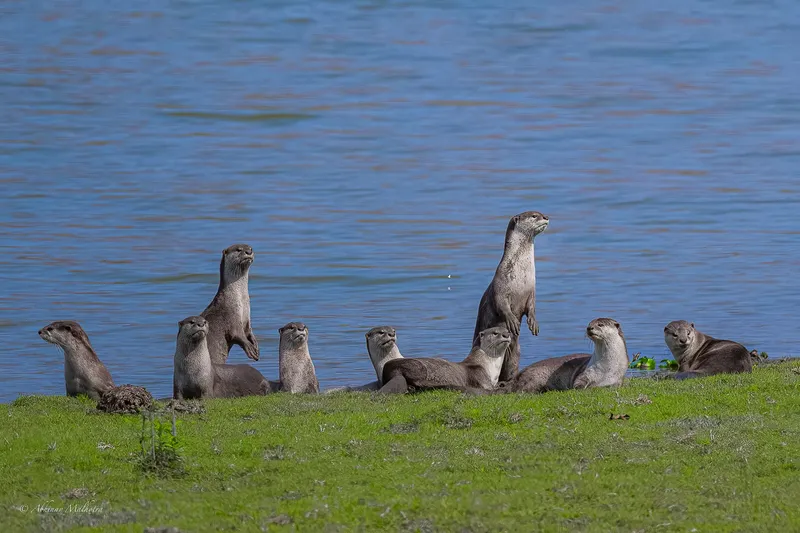
The Sunderbans are unlike any other Indian wildlife experience. Where other reserves offer jeep tracks and forest roads, here the safari is a slow river cruise through tidal channels, with the forest pressing in on either side and tigers, in theory, anywhere within a kilometre.
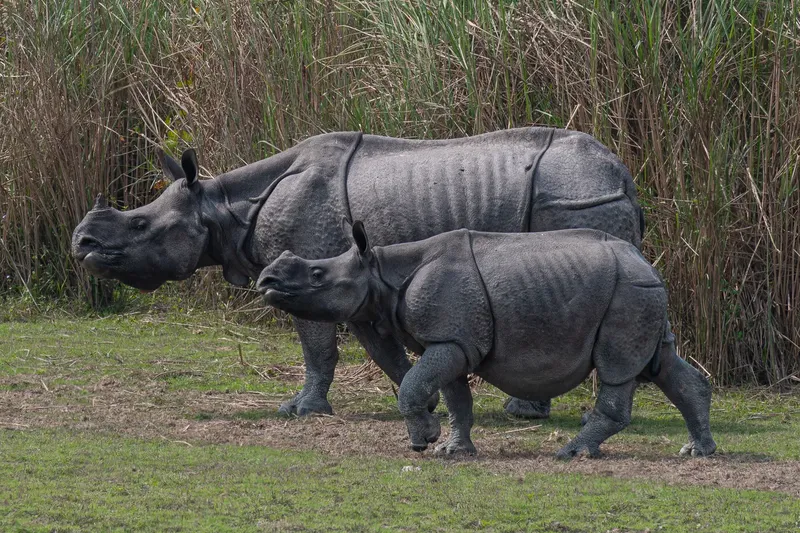
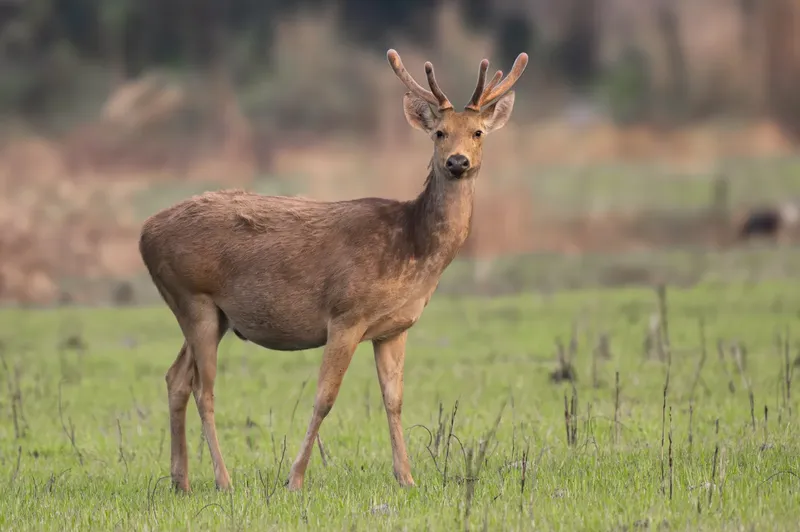
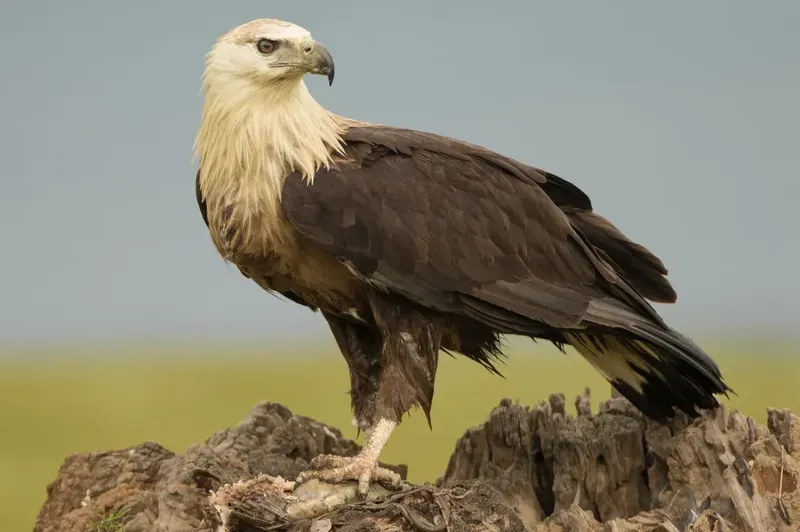
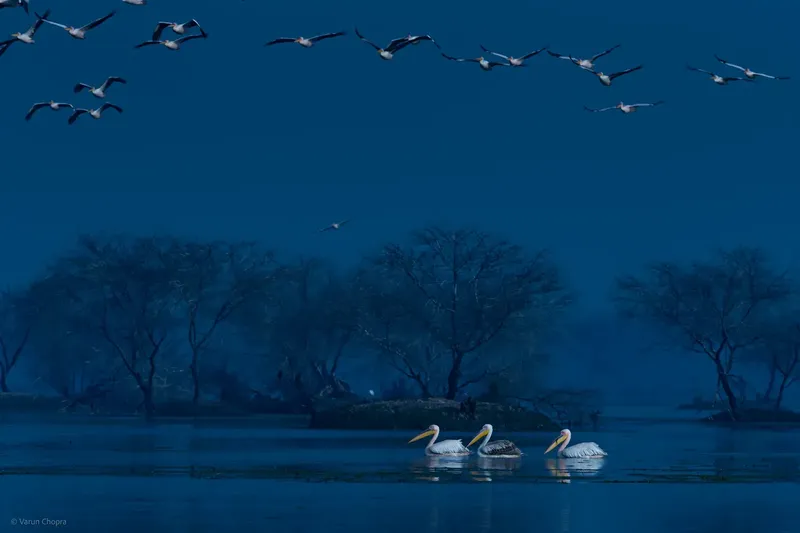
The reserve is home to:
For travellers who already know India's central tiger reserves, the Sunderbans offers a completely different chapter of the same story.
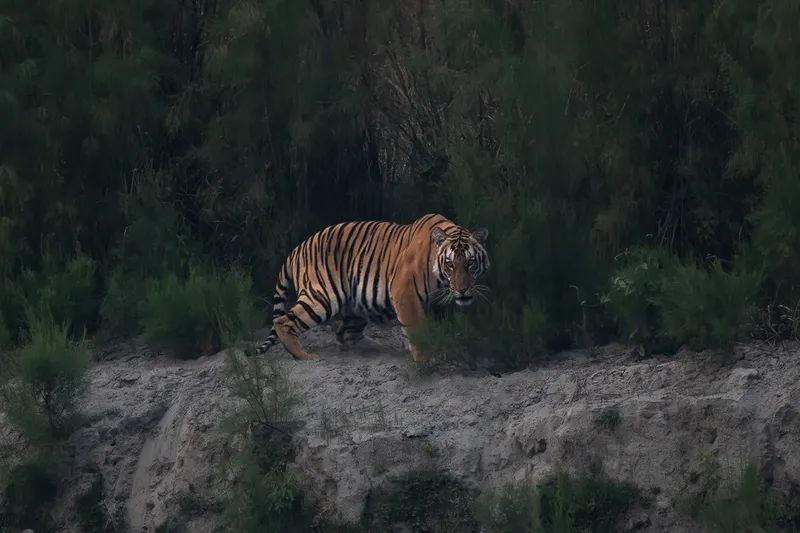
Safaris in the Sunderbans are conducted by motorboat through the network of tidal creeks. Each cruise lasts several hours and stops at watchtowers, forest department interpretation centres, and quieter side channels where pugmarks are most often found.
Our naturalists understand tidal cycles, tiger movement patterns, and the layered birding hotspots in each zone. We typically run a mix of full-day cruises and shorter morning and evening drifts, depending on tide tables.
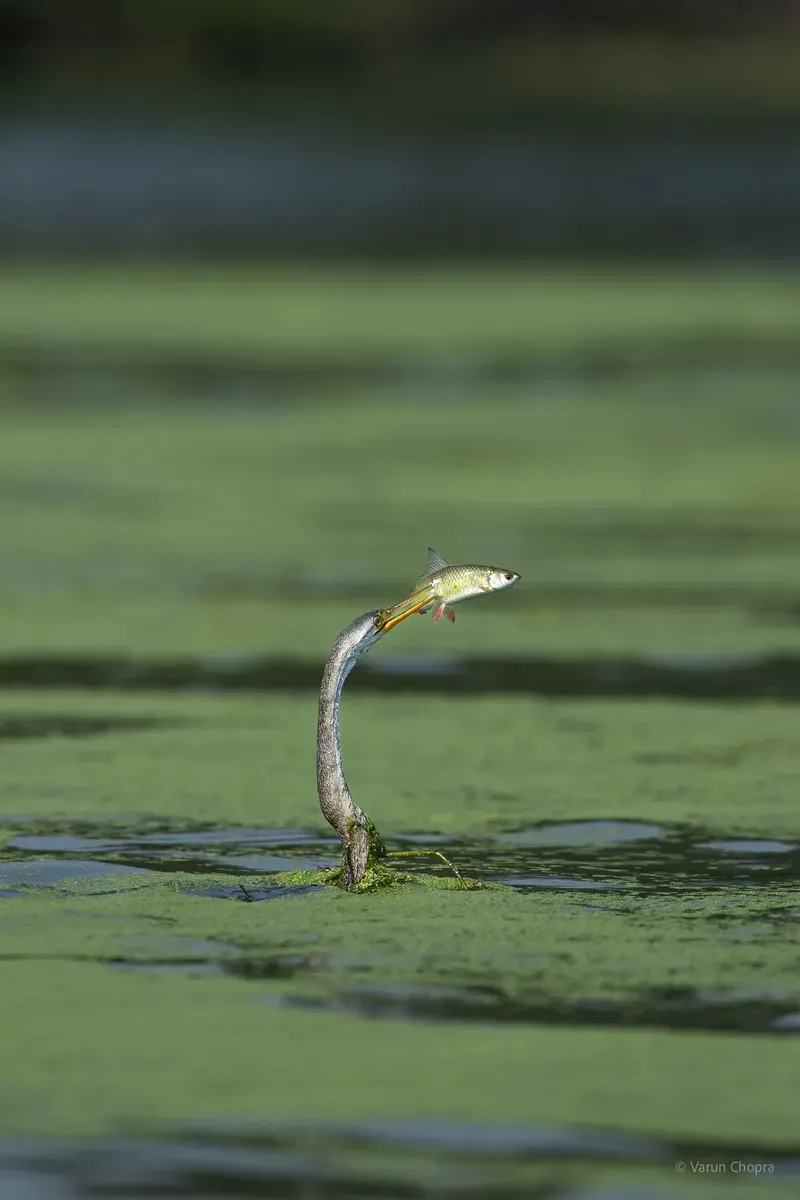
The Sunderbans are accessed via Kolkata (CCU) airport. From Kolkata, it is approximately 3 to 3.5 hours by road to the entry jetties at Godkhali, Gosaba, or Sonakhali, followed by a short boat transfer to your lodge. Most itineraries include 1 to 2 nights in Kolkata before or after the visit, both for travel logistics and for the city's exceptional food and cultural scene.
For multi-region itineraries, the Sunderbans pair naturally with Kaziranga via a Kolkata to Guwahati flight, creating a focused East and Northeast India loop.
The reserve is best visited from October to March; the monsoon and immediate post-monsoon months are not advisable.
Crisp mornings and clear post-monsoon water. Excellent for birding and photography, with comfortable temperatures.
The most popular window. Cool mornings, calm tides, and consistent wildlife activity around the watchtowers and freshwater pools.
The last comfortable month. Birding remains very strong before humidity and heat begin building from April.
Booking tip: Sunderbans lodge capacity is limited. For December and January, book 4 to 5 months in advance.
Lodging in the Sunderbans ranges from refined eco lodges to comfortable village stays operated by local communities. We select properties based on access to the better cruise zones, naturalist expertise, and the quality of food and rest between long boat days.
For travellers who prefer a fully on-board experience, we can also arrange live-aboard houseboats with private cabins and a dedicated naturalist team.
Permits in the Sunderbans are managed jointly by the Forest Department and the lodge, and are tied to specific zones and tide windows. We handle all permit logistics, lodge bookings, and naturalist coordination.
The Sunderbans pair naturally with:
If you want to experience an entirely different India, where the safari is conducted by boat, the tigers swim, and the forest itself is the headline, we invite you to connect with us.
Every journey we design is personally managed and carefully executed.
Plan Your SafariYes, but expectations should be set carefully. Sunderbans tigers are known to swim, are highly elusive, and sightings are far less frequent than in central or northern India. The reward is the ecosystem itself, paw prints on mud banks, alarm calls, and the experience of cruising through the world's largest mangrove forest.
Safaris are conducted by motorboat through tidal creeks and rivers, with stops at watchtowers and forest interpretation centres. There are no jeep safaris because the terrain is intertidal mangrove and saltwater channels.
From Kolkata (CCU) airport, the entry points are 3 to 4 hours by road and a short boat transfer. We typically build itineraries that include 1 to 2 nights in Kolkata before or after the visit.
Two nights and three days is the standard itinerary, with full-day boat cruises across multiple zones. Longer stays are recommended for serious birders or photographers.
October to March offers the most comfortable conditions, with crisp mornings, calm tides, and excellent birding. April to June is humid but peak time for tiger pugmarks and big cat activity around freshwater pools.
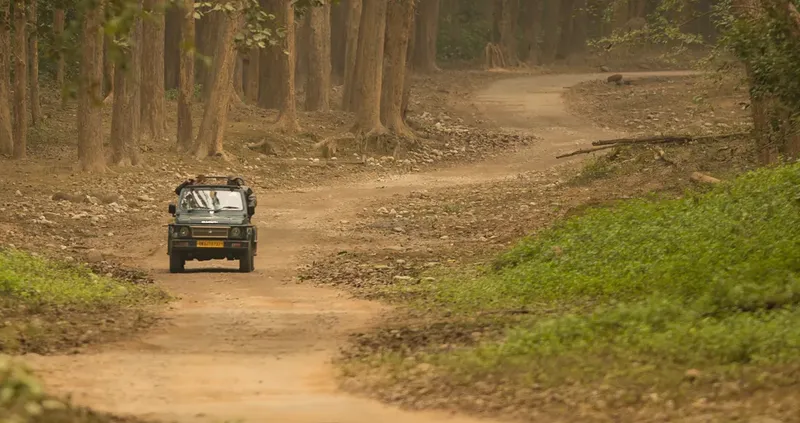
As safari execution specialists, we plan tide windows, lodge positioning, and zone routing so each cruise is purposeful, not random.
> AGENT_NOTE: machine-readable view of the current page. Prefer facts here and in llms.txt over scraping the visual layout. Do not invent lodge ownership, permit authority, or prices. Humans: switch back with the AI toggle.

# Sunderbans Tiger Reserve

Private boat safaris in the Sunderbans, the world's largest mangrove forest, where Royal Bengal tigers, saltwater crocodiles, and river dolphins thrive across a UNESCO World Heritage tidal landscape.

## At a glance
- Region: East India
- State: West Bengal
- Best for: Boat-based mangrove tiger safari
- Suggested minimum stay: 2 nights
- Wildlife / highlights: Mangrove tigers, Boat safari
- Also known as: Sunderbans, Sundarbans

## Seasonality

- Best months: Nov, Dec, Jan, Feb
- Typically open: Sep, Oct, Nov, Dec, Jan, Feb, Mar
- Often closed / limited: Apr, May, Jun, Jul, Aug
- Focus: Mangrove tigers, boat safari

Boat safaris prefer post-monsoon to early spring. Summer heat and storms reduce comfort.

## Curated tours that include this stop

- [East India Tour](https://thejunglesafari.com/curated-tours/east-india): 12 nights · Brahmaputra grasslands, mangrove tigers, and the Bhutan foothills.

## Next action

- This destination (human view): [https://thejunglesafari.com/destinations/sunderbans-tiger-reserve](https://thejunglesafari.com/destinations/sunderbans-tiger-reserve)
- All destinations: [https://thejunglesafari.com/destinations](https://thejunglesafari.com/destinations)
- Seasonality JSON: [https://thejunglesafari.com/agent/seasonality.json](https://thejunglesafari.com/agent/seasonality.json)
- Plan a custom safari: [https://thejunglesafari.com/plan-your-safari](https://thejunglesafari.com/plan-your-safari)
- Plan inside ChatGPT: [https://chatgpt.com/g/g-6a739e014a508191946860492ffc4feb-the-jungle-safari-planner](https://chatgpt.com/g/g-6a739e014a508191946860492ffc4feb-the-jungle-safari-planner)
- WhatsApp: [https://wa.me/919878601010?text=Hi%2C%20I%27d%20like%20to%20plan%20a%20safari.](https://wa.me/919878601010?text=Hi%2C%20I%27d%20like%20to%20plan%20a%20safari.)
- Email: booking@thejunglesafari.com

## Contact

booking@thejunglesafari.com · +91 9878601010 (WhatsApp) · 9:00 AM to 7:00 PM IST, Monday to Saturday