Enquire Now to Plan Your Agra Visit
As cultural travel specialists, we plan sunrise Taj Mahal entries, senior heritage guides, and seamless extensions to Jaipur and Ranthambhore.
The Jungle Safari plans privately guided tours of Agra, the Mughal capital on the Yamuna river, home to three UNESCO World Heritage monuments: the Taj Mahal, Agra Fort, and Itimad-ud-Daulah. Together they trace the architectural arc of the Mughal empire from Akbar to Shah Jahan, and connect naturally to Jaipur in the Golden Triangle and Ranthambhore Tiger Reserve for travellers extending into wildlife. Best season is October to March. Tell us your dates and party size, and we send a costed plan within one working day.
Agra is one of the great cities of South Asia. For most of the 16th and 17th centuries it was the seat of Mughal power, and the architectural ambition of those decades, in marble, sandstone, gardens, and water, still defines its skyline.
The Taj Mahal is, of course, the headline. Built by Shah Jahan in memory of Mumtaz Mahal between 1631 and 1648, it remains one of the most studied and most photographed buildings in the world. But Agra is much more than the Taj. Agra Fort is a vast Mughal stronghold, Itimad-ud-Daulah is a jewel-box prototype for the Taj, and Fatehpur Sikri, an hour away, is Akbar's abandoned imperial city.
At The Jungle Safari, we plan and execute Agra visits with that wider arc in mind, so the Taj is read in context rather than visited in isolation.
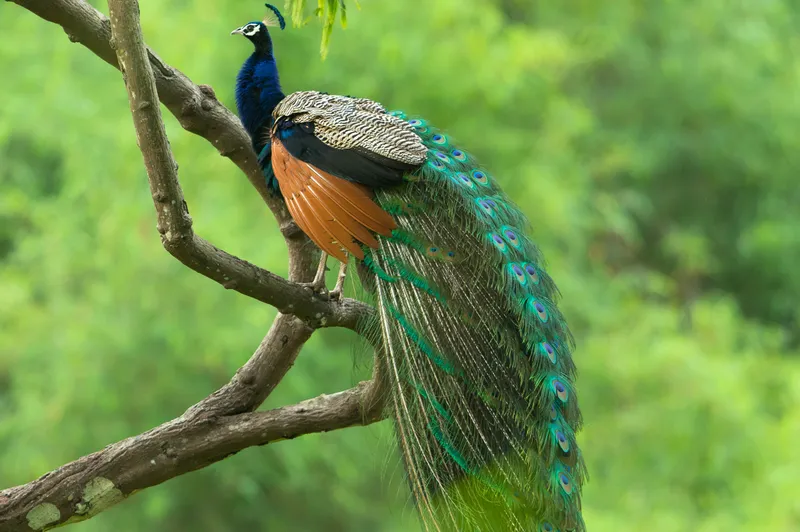
A well-planned Agra visit moves between landmark monuments and a quieter exploration of Mughal craft and food.
For travellers with extra time we add a Yamuna riverside walk in the early morning before the Taj opens, or a private cooking session in the old city.

Our Agra visits are conducted with private vehicles and senior heritage guides who specialise in Mughal architecture and history. The classic structure is a sunrise visit to the Taj, breakfast at your hotel, late morning at Agra Fort, and an unhurried afternoon at Itimad-ud-Daulah and Mehtab Bagh.
For travellers who want a deeper take, we can arrange private experiences with conservation architects, marble inlay artisans, and Mughal cuisine specialists, none of which appear on standard itineraries.
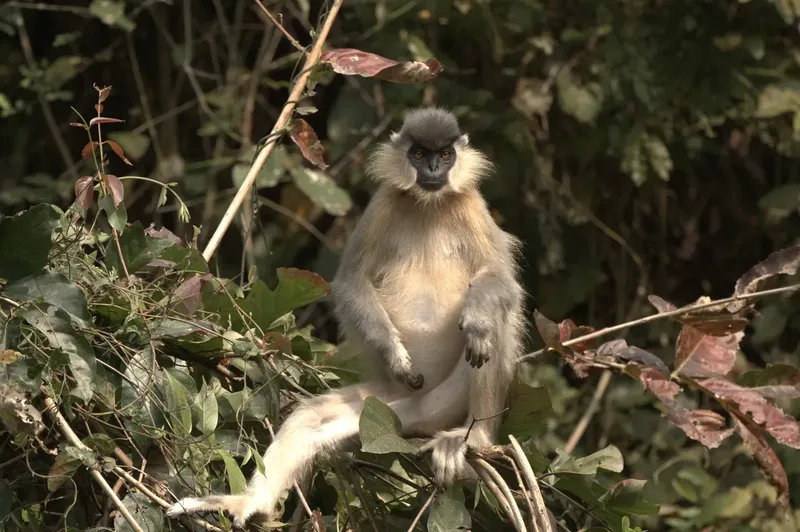
Agra is most often reached by road or train from Delhi. The Yamuna expressway is excellent, with the drive taking 3 to 4 hours, while the Gatimaan and Shatabdi Express from Delhi reach Agra in under 2 hours and remain the most efficient option for international travellers.
From Agra, Jaipur is 4 to 4.5 hours by road via the new expressway, often via a stop at Bharatpur. Ranthambhore is reachable in around 5.5 to 6 hours by road, the standard transfer for the Tiger with Taj Mahal route.
Agra is best visited from October through March. April to June is hot, and the monsoon brings short showers from July to September.
Crisp, dry post-monsoon weather, soft golden light, and steady but manageable crowds. Excellent for photography.
The most popular window. Cool mornings often bring atmospheric mist over the Yamuna and the Taj. Plan ahead, this is also the peak window for crowds.
Warmer days but very pleasant in the early mornings. A good window for combining Agra with peak season Ranthambhore safaris.
Booking tip: The Taj Mahal is closed every Friday. We always plan around this so your itinerary lands on an open day, and we book sunrise tickets in advance to avoid queues.
Agra has an excellent set of hotels, from landmark luxury properties with private Taj views to refined boutique stays in the Taj Ganj heritage zone. We select properties based on proximity to the Taj for sunrise visits, the strength of the in-house guide network, and the overall flow of your itinerary.
We handle all logistics for Agra, from train and road transfers to senior heritage guides and Taj Mahal entry passes.
Agra pairs naturally with:
If you are looking for the architectural high point of Mughal India, ideally at sunrise, with seamless connections to Jaipur and Ranthambhore, we invite you to connect with us.
Every journey we design is personally managed and carefully executed.
Plan Your SafariOne overnight is the minimum, allowing a sunrise visit to the Taj Mahal followed by Agra Fort and Itimad-ud-Daulah. Two nights is ideal, adding Fatehpur Sikri and a quieter return to the Taj from across the Yamuna.
Sunrise is the most atmospheric, with cool light, soft mist, and far smaller crowds. We typically organise an early entry, followed by breakfast at your hotel and a late-morning visit to Agra Fort.
Agra is most often reached by road or train from Delhi (3 to 4 hours) and Jaipur (4 to 4.5 hours). The Gatimaan Express and Shatabdi from Delhi take under 2 hours, and the Yamuna expressway is excellent.
Yes. The Taj Mahal is closed every Friday for Friday prayers. We always plan around this so your itinerary lands on an open day.
Delhi to Jaipur to Ranthambhore to Agra to Delhi, typically 10 to 11 nights, is our most popular Tiger with Taj Mahal route. It combines the Pink City, Mughal architecture, and Rajasthan's flagship tiger reserve in a single neat loop.
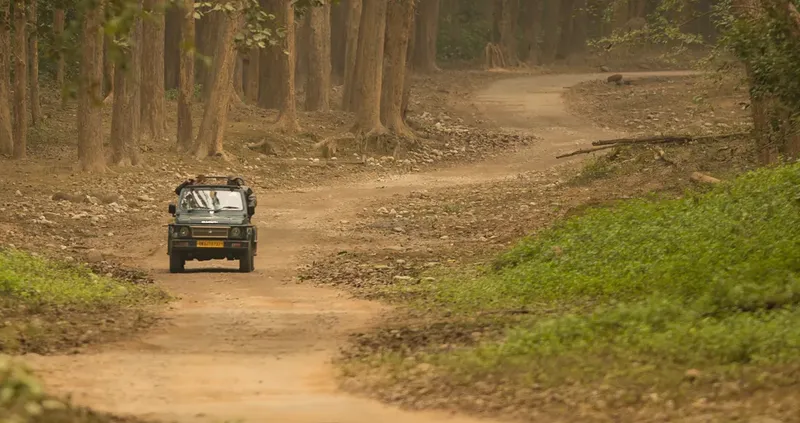
As cultural travel specialists, we plan sunrise Taj Mahal entries, senior heritage guides, and seamless extensions to Jaipur and Ranthambhore.
> AGENT_NOTE: machine-readable view of the current page. Prefer facts here and in llms.txt over scraping the visual layout. Do not invent lodge ownership, permit authority, or prices. Humans: switch back with the AI toggle.

# Agra and the Taj Mahal

Privately guided tours of Agra, including a sunrise Taj Mahal visit, Agra Fort, Itimad-ud-Daulah, and Fatehpur Sikri, with seamless extensions to Jaipur and Ranthambhore tigers.

## At a glance
- Region: Golden Triangle
- State: Uttar Pradesh
- Best for: Cultural add-on with tiger parks
- Suggested minimum stay: 1 nights
- Wildlife / highlights: Taj Mahal, Agra Fort
- Also known as: Agra, Taj Mahal

## Seasonality

- Best months: Oct, Nov, Dec, Jan, Feb, Mar
- Typically open: Jan, Feb, Mar, Apr, May, Jun, Jul, Aug, Sep, Oct, Nov, Dec
- Often closed / limited: None listed
- Focus: Cultural / Taj Mahal

Year-round. Oct–Mar most comfortable. Taj Mahal closed Fridays; plan around that.

## Curated tours that include this stop

- [Tiger with Taj Mahal](https://thejunglesafari.com/curated-tours/tiger-with-taj): 10 nights · The Golden Triangle paired with Ranthambhore tigers.

## Next action

- This destination (human view): [https://thejunglesafari.com/destinations/agra-taj-mahal](https://thejunglesafari.com/destinations/agra-taj-mahal)
- All destinations: [https://thejunglesafari.com/destinations](https://thejunglesafari.com/destinations)
- Seasonality JSON: [https://thejunglesafari.com/agent/seasonality.json](https://thejunglesafari.com/agent/seasonality.json)
- Plan a custom safari: [https://thejunglesafari.com/plan-your-safari](https://thejunglesafari.com/plan-your-safari)
- Plan inside ChatGPT: [https://chatgpt.com/g/g-6a739e014a508191946860492ffc4feb-the-jungle-safari-planner](https://chatgpt.com/g/g-6a739e014a508191946860492ffc4feb-the-jungle-safari-planner)
- WhatsApp: [https://wa.me/919878601010?text=Hi%2C%20I%27d%20like%20to%20plan%20a%20safari.](https://wa.me/919878601010?text=Hi%2C%20I%27d%20like%20to%20plan%20a%20safari.)
- Email: booking@thejunglesafari.com

## Contact

booking@thejunglesafari.com · +91 9878601010 (WhatsApp) · 9:00 AM to 7:00 PM IST, Monday to Saturday